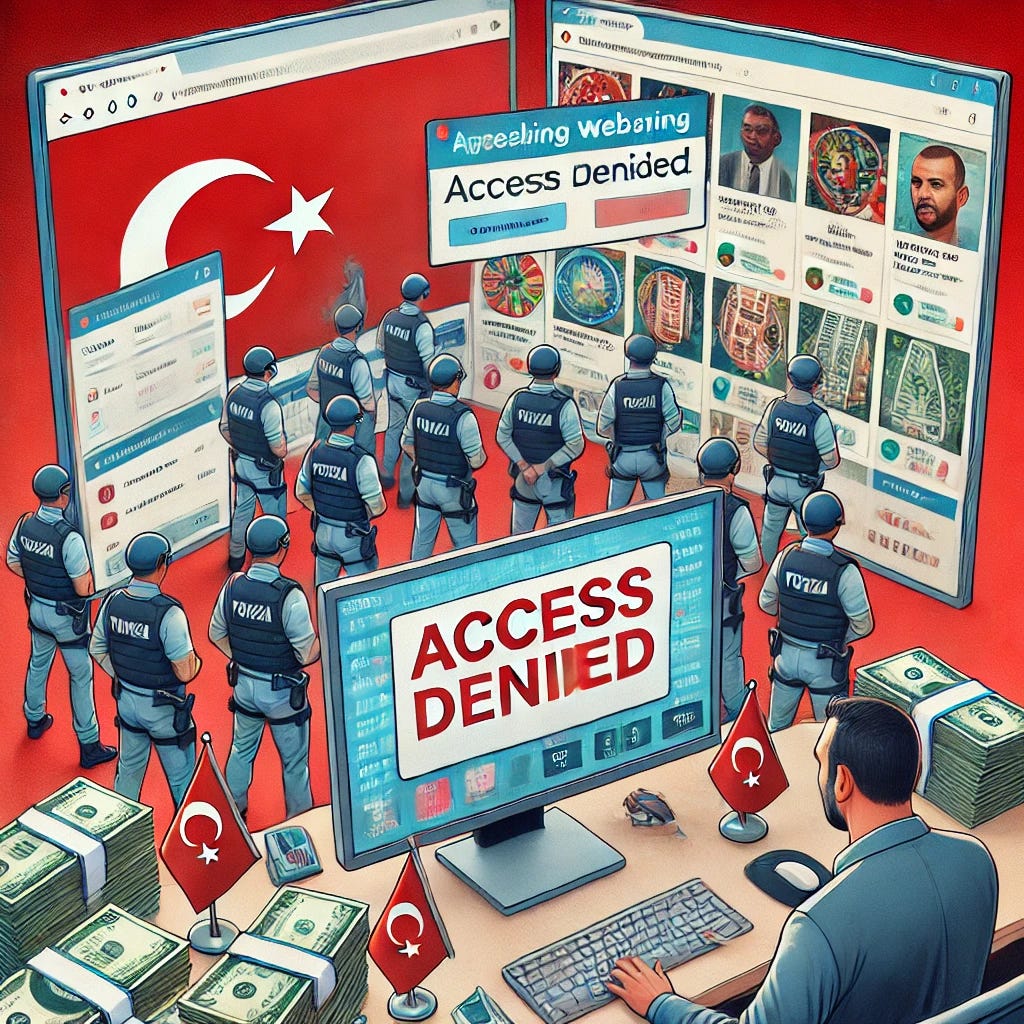
Turkey’s stringent gambling regulations have created a challenging and complex market for both domestic and international operators. While private and foreign operators are largely excluded, the state maintains a firm grip on the market through its own regulated channels. This has led to a unique and often tense environment where compliance, risk, and potential rewards are all magnified. This article explores how Turkey’s gambling laws affect both legal and illegal operators and considers what the future might hold for the market beyond 2025.

For legal operators, such as the state-owned IDDAA and the lottery operator Sisal-Şans, the market offers a stable and secure environment. These operators benefit from the state monopoly and clear regulatory guidelines, enabling them to engage a large, tech-savvy population with a strong demand for betting. To gain a license, foreign companies must often form joint ventures with Turkish firms, meet high financial thresholds, and comply with strict anti-money laundering (AML) regulations. The state’s control provides a structured and predictable market, but it also limits competition and potential innovation.
The impact on illegal, foreign online operators is stark. Despite the ban, many continue to accept Turkish players, constantly changing domain names and using other methods to evade blocking efforts by the Information and Communication Technologies Authority (BTK). However, the intensified enforcement by Turkish authorities, including severe legal and financial penalties for complicit operators and financial institutions, makes this a high-risk business. Many reputable international platforms have chosen to restrict access to Turkish players to avoid these risks, while those that remain active operate in a constant state of cat-and-mouse with regulators.
Looking to the future, there is some speculation that Turkey’s market could evolve, particularly if the country seeks closer alignment with European Union regulations. This could potentially lead to some liberalization of the gambling scene. However, with the current government maintaining a firm and conservative stance, no immediate or significant changes are expected. The focus remains on controlled, state-managed activities and aggressive enforcement against illegal operations. The legal expert Alican Babalioglu from CMS tax law has observed, “As Turkey moves towards greater digitalisation, the iGaming sector is poised for a transformative period, offering substantial rewards for early investors,” but this is balanced by the current realities of stringent regulations.
For now, the Turkish gambling market is defined by its conservative legal framework and strict state control. While this creates a stable environment for legal operators, it makes life very difficult for illegal platforms and carries significant risks for participants. The future evolution of the market is uncertain, but for the foreseeable future, the state’s monopoly is set to continue. Those seeking to operate or participate in the Turkish market should be fully aware of the legal landscape and the risks involved.